


Efforts to Create Healthy Anemia-Free Adolescents from a Nutritional Perspective, UMSU FK Lecturers Do Community Service
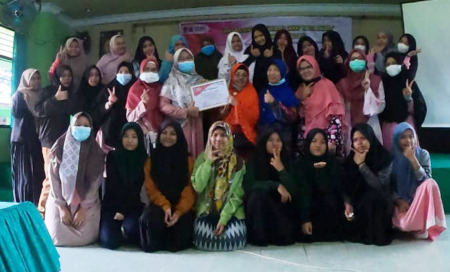
The Faculty of Medicine of Universitas Muhammadiyah Sumatera Utara (FK UMSU) carried out Community Service with the theme “Efforts to Create ‘Healthy Anemia-Free Adolescents’ from a Nutritional Perspective” to adolescent girls (rematri) at the Aisyiyah Women’s Orphanage in Medan City on Saturday (19/6). This activity is in line with the slogan of the 61st National Nutrition Day in 2021 (Healthy, Anemia-Free Adolescents), which is the implementation of the Muhammadiyah Development Partnership Program (PKPM) grant funded by UMSU as part of the Tri Darma of Higher Education.
This service activity consists of several series of activities and is carried out in 12 weeks from June to September 2021. Some of the activities raised in this activity are checking the nutritional status of adolescent girls, checking hemoglobin as an indicator of anemia in rematriates, educating about Anemia in Adolescents and the Role of Nutrition in its alleviation, distributing Blood Addition Tablets (TTD) and installing Anemia Posters in strategic locations in the Orphanage.
Dr. Eka Febriyanti, M Gizi (lecturer from the Department of Nutrition Science FK UMSU) chaired this community service program. It involved two other lecturers, Dr. Huwainan Nisa Nasution, M.Kes, Sp.PD and Dr. Ratih Yulistika Utami, M.MedEd and 3 FK UMSU students. The activities were carried out at Aisyiyah Orphanage in Medan City by implementing health protocols.
From the activities of checking nutritional status and hemoglobin, it was found that one adolescent girl had low hemoglobin levels (anemia). Subsequently, the young lady was given TTD for 12 weeks as one of the efforts to overcome it and prevent it for other young women. This TTD distribution program is in collaboration with the Simpang Limun puskesmas as the person in charge of the adolescent anemia alleviation program in its scope of work.
Dr. Huwainan Nisa Nasution, M.Kes, Sp presented education about anemia in adolescents. PD. According to her, anemia in adolescent girls is prone to occur due to high nutritional needs due to growth and blood loss through menstruation. This can interfere with learning concentration, decreased immunity, and less productivity. In the second material on nutrition in anemia, Dr. Eka Febriyanti, M.Gizi explained the importance of consuming nutritionally balanced and iron-rich foods sourced from animal and vegetable sources, increasing consumption of foods rich in vitamin C because it increases iron absorption and avoiding foods that inhibit its absorption such as tea, coffee, and milk. “If you want to consume tea, coffee, and milk, it should be about an hour from eating or taking TTD medicine,” he explained. The young women participants were very enthusiastic about the education. This was evident from the many questions in the interactive discussion session after the education presentation.
Next, anemia posters were put up containing the dangers of anemia and foods adolescents should consume to avoid anemia. This poster is installed in the dining room and study room so that it is always visible that it strengthens the mindset of adolescents regarding this matter and can ultimately improve health behaviors that are still wrong so far. This activity will continue until September 2021 because adolescent girls will continue to be monitored for TTD consumption. After 12 weeks, the hemoglobin and nutritional status will be re-examined to assess the effectiveness of community service that has been carried out to alleviate anemia in the location.


