


Universitas Muhammadiyah Sumatera Utara (UMSU) held a public lecture titled “The Urgency of Energy Transition to Mitigate the Impact of Climate Change” at the campus auditorium on Jalan Kapten Muchtar Basri, Medan, North Sumatra, on Thursday (April 2).
The event featured the Deputy Speaker of the People’s Consultative Assembly (MPR RI), Dr. Eddy Soeparno, S.H., M.H., as the keynote speaker. It was attended by hundreds of UMSU students and members of the academic community, with Lecturer Agus Sani, S.E., M.Sc., serving as moderator.
This lecture was part of the “MPR Goes to Campus” program—an initiative aimed at strengthening students’ national awareness, encouraging youth participation in development, and addressing strategic national issues, including global challenges such as public policy and the climate crisis.
The session was highly interactive, with enthusiastic participation from attendees who filled the auditorium to gain insights into climate change challenges and the importance of transitioning to clean energy.
 In his opening remarks, UMSU Rector Prof. Dr. Agussani, M.A.P., emphasized the strategic role of higher education institutions in preparing future generations to address global challenges, including climate change.
“Universities must not only produce academically उत्कृष्ट graduates, but also individuals with integrity, social awareness, and a strong commitment to environmental sustainability,” he stated.
He also encouraged students to take an active role in national strategic issues. “We know Dr. Eddy Soeparno as both a national figure and a strong advocate for renewable energy. This public lecture should be used as an opportunity to broaden perspectives, so students become part of the solution rather than mere observers,” he added.
The Rector also highlighted UMSU’s achievements and its commitment to developing renewable energy innovation through collaborations with various national and international institutions. He further noted ongoing campus development projects, including the construction of the Auditorium Berkemajuan and Walidah Sport Hall in preparation for the 2027 Muhammadiyah Congress.
In his lecture, Dr. Eddy Soeparno stressed that energy transition is an urgent necessity that cannot be delayed.
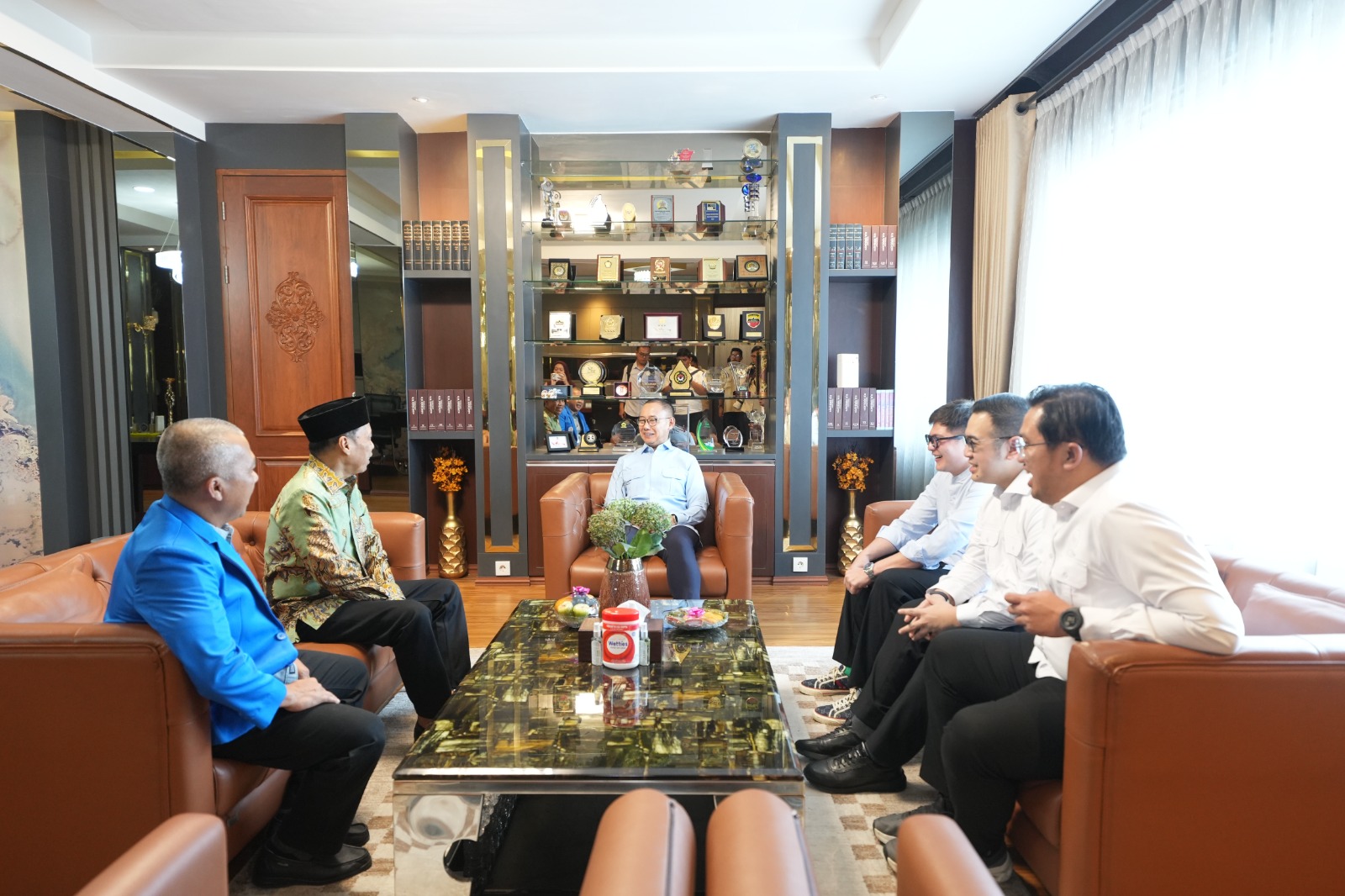
“Climate change is no longer a future threat—it is happening now. Therefore, energy transition is imperative,” he asserted.
He explained that dependence on fossil fuels is a major contributor to rising carbon emissions and global warming.
“We must begin shifting to renewable energy. This is not only about the environment, but also about economic sustainability and the nation’s future,” he said.
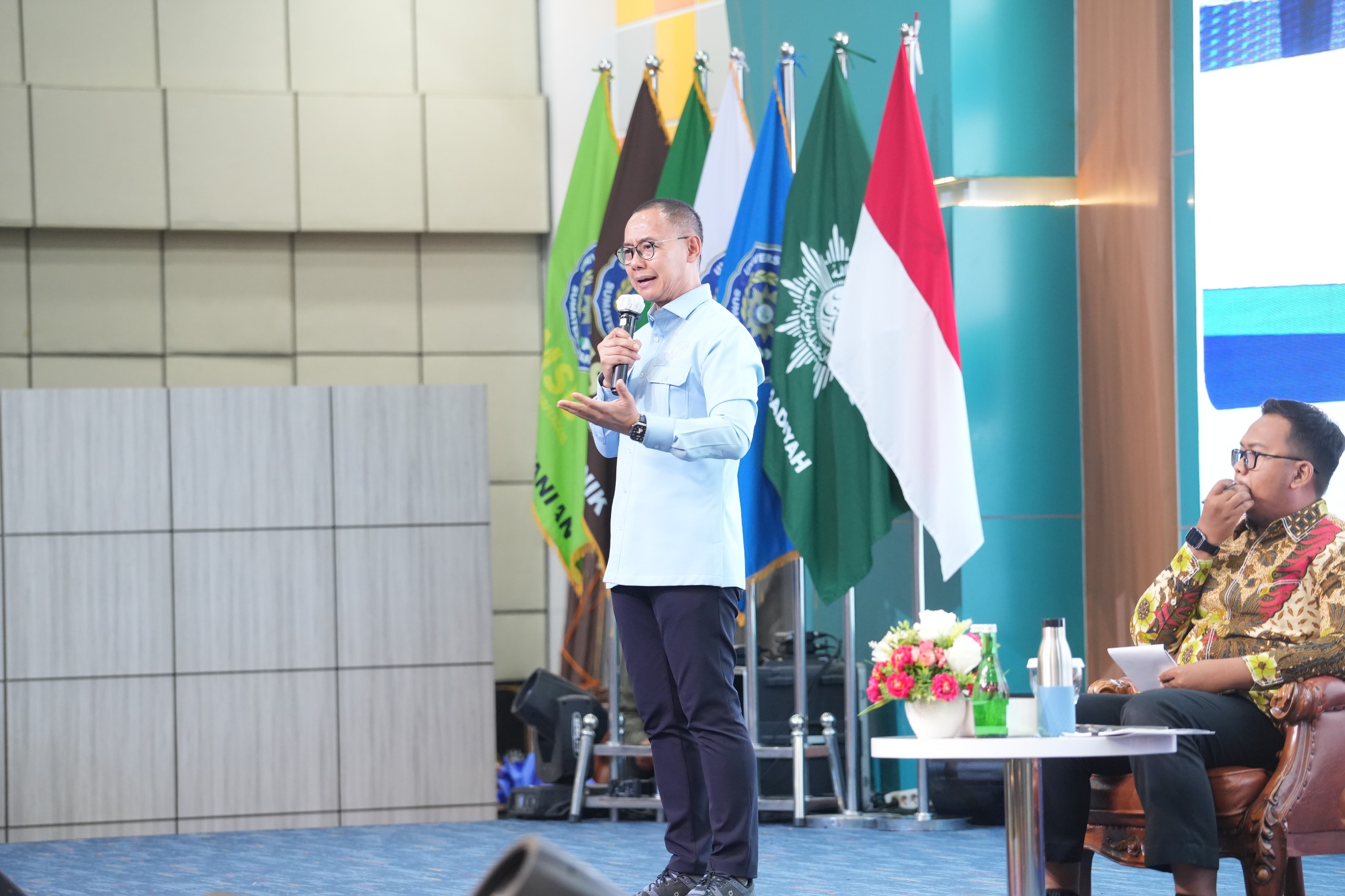
He further emphasized the crucial role of young people in driving energy transition. “Students must become agents of change. Do not just observe—take part in promoting innovation and environmentally friendly policies,” he urged.
In the context of national policy, he proposed that 2026 be designated as a year of climate crisis mitigation, warning that without a clear and coordinated agenda, the impacts of climate change will worsen.
“Indonesia’s climate policies are still fragmented across sectoral regulations. A comprehensive legal framework is needed to integrate planning, implementation, funding, and evaluation of climate policies across sectors and levels of government,” he explained.
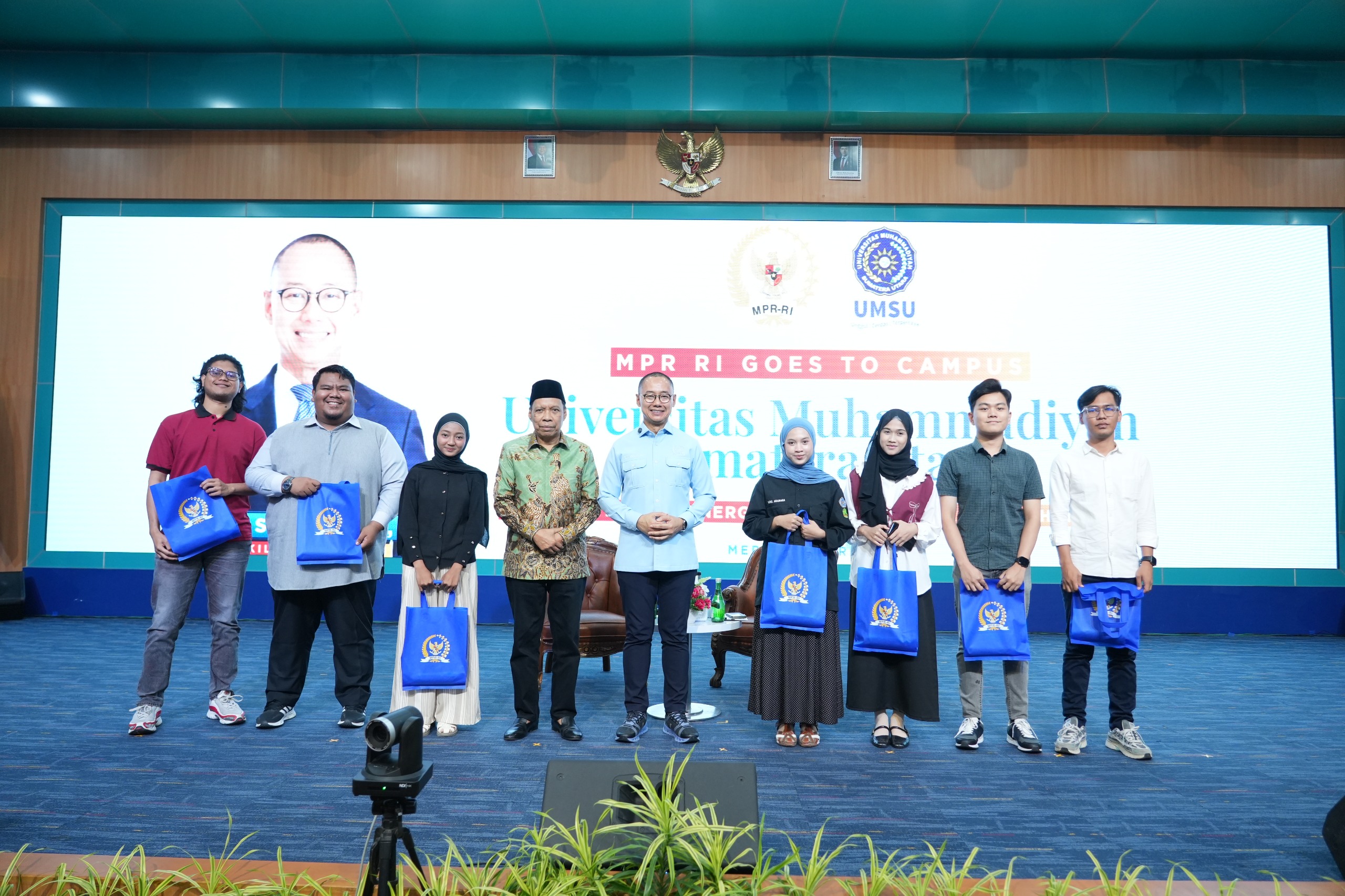
He also highlighted the urgency of accelerating the enactment of the Climate Change Management Bill as a key instrument for policy integration.
“A dedicated climate change law will provide long-term policy direction and strengthen the country’s accountability in meeting emission reduction commitments,” he added.
Furthermore, he encouraged stronger collaboration between government and universities in policy formulation.
“I have consistently advocated for greater involvement of universities in addressing the climate crisis. Research findings and scientific data from academic institutions are essential for developing effective and impactful policies,” he noted.
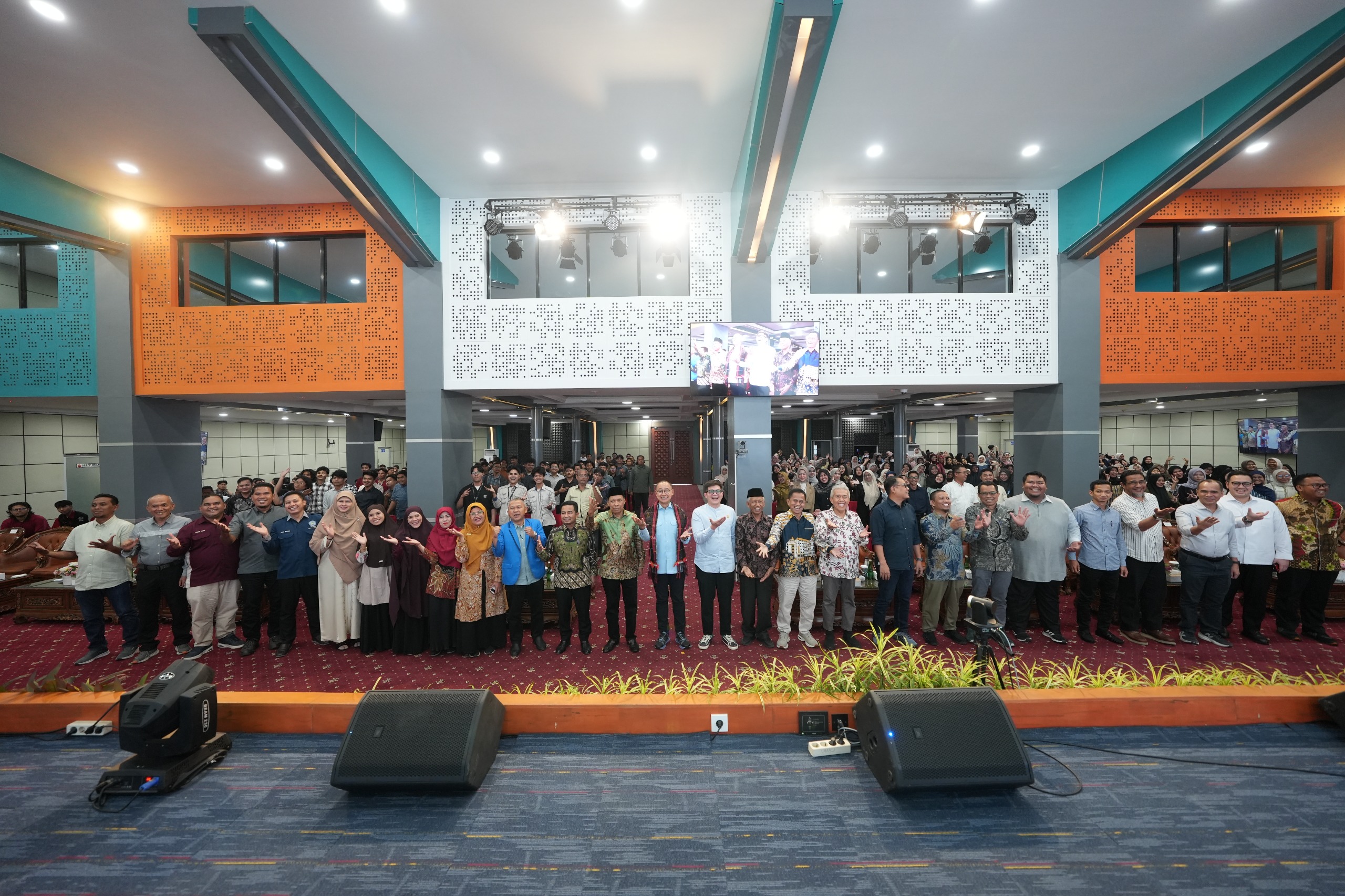
He concluded by stressing that successful energy transition requires data-driven policies, scientific research, and cross-sector collaboration.
“Effective policies must be grounded in data and research. Collaboration among government, academia, and society is crucial in tackling the climate crisis,” he said.
This public lecture is expected to enhance students’ awareness and understanding of the importance of energy transition, while fostering a generation that is critical, responsible, and committed to environmental sustainability.


