


Universitas Muhammadiyah Sumatera Utara (UMSU) hosted the 2026 Socialization and Quality Enhancement Program for Engineering Study Programs Toward Excellence. The event took place on Tuesday (April 21) at the Auditorium of the campus on Jalan Muchtar Basri No. 3, Medan.
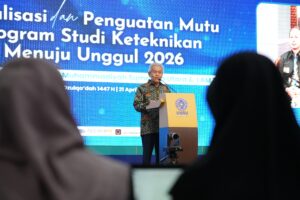 The program was officially opened by Vice Rector I, Prof. Dr. Muhammad Arifin, M.Hum, and featured speakers including the Chair of the LAM Teknik Accreditation Council, Prof. Dr. Ir. Hari Purnomo, M.T., IPU., ASEAN.Eng; LAM Teknik Committee member Prof. Ir. Maya Sarah, S.T., M.T., Ph.D., IPM; and academic Prof. Dr. Ir. Muhammad Muhrisin. Also in attendance were the Dean of the Faculty of Engineering, Dr. Ade Faisal, ST, MSc, Ph.D, along with vice deans, heads of study program management units (UPPS), and Quality Assurance Units (GPM) from universities across Aceh and North Sumatra.
In his remarks, Vice Rector I Prof. Arifin emphasized that accreditation plays a highly strategic role in the sustainability of study programs.
“Accreditation is the heart of a study program. Currently, government regulations recognize only three statuses: accredited, not accredited, and excellent. Therefore, accreditation is not merely about obtaining a status, but an essential component of quality assurance and program development,” he stated.
He added that all study programs aim to achieve “excellent” accreditation as an indicator of academic quality and institutional governance.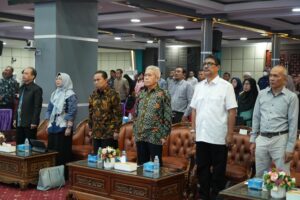
“LAM Teknik has prepared accreditation instruments that will be disseminated so that engineering study programs can achieve excellent status,” he continued.
UMSU’s prestigious FIBAA accreditation further strengthens its position as a private university in North Sumatra with international recognition.
The event continued with a presentation by the Chair of the LAM Teknik Accreditation Council, Prof. Hari Purnomo, who discussed the latest accreditation policies, an overview of the assessment system, and strategies for preparing the Self-Evaluation Report (LED) and Study Program Performance Report (LKPS), which are key documents in the accreditation process.
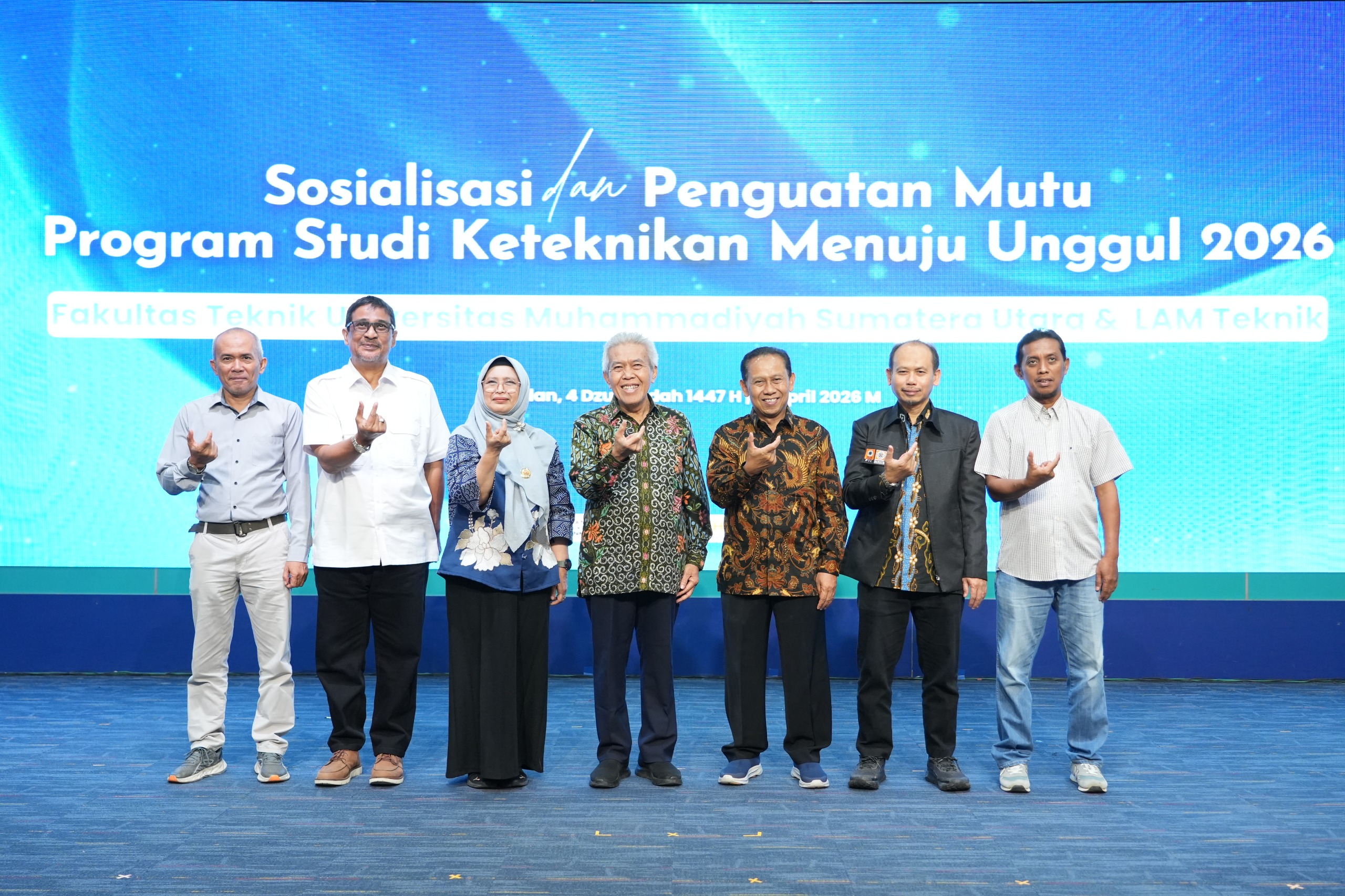
Meanwhile, Prof. Dr. Ir. Muhammad Muhrisin delivered a session on mission differentiation and program accountability, including strengthening internal quality assurance systems and continuous development programs within higher education institutions.
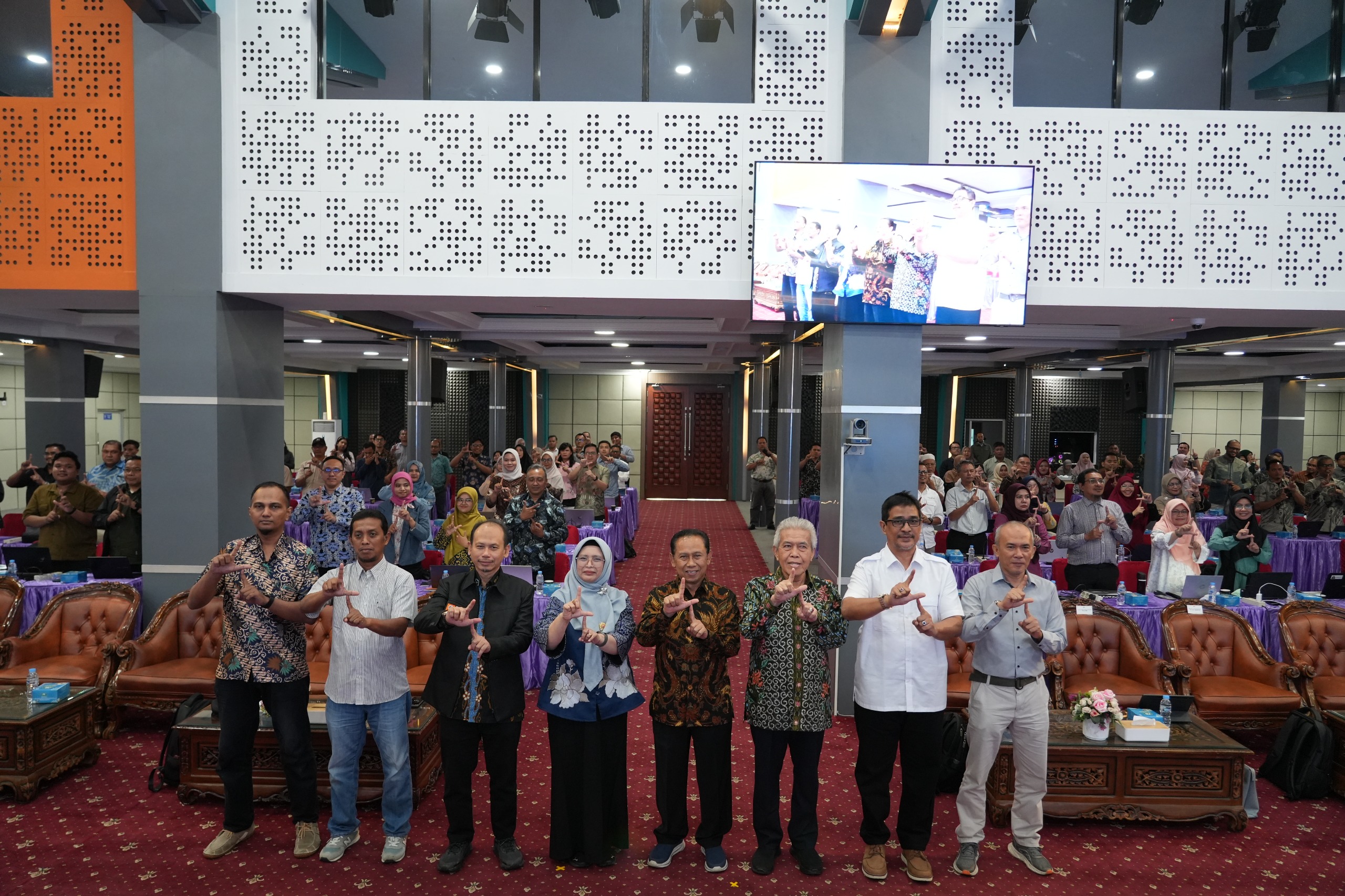
Prof. Ir. Maya Sarah addressed aspects of relevance in education, research, and community service, as well as strengthening human resources for lecturers and staff, infrastructure readiness, implementation of occupational health, safety, and environmental standards (K3L), student services, and student outcomes as key indicators of study program success.


